
Artificial intelligence (AI) is poised to revolutionize the landscape of software development, promising to dramatically accelerate the pace of innovation and transform continuous delivery into a routine practice. In this article, we delve into the multifaceted ways in which AI is reshaping software development processes, necessitating a paradigm shift in roles, particularly in the realm of testing.
The Foundation: AI as the Cornerstone of SaaS Solutions
AI is not merely a tool for rolling out enhanced features; it is positioning itself as the very foundation of Software as a Service (SaaS) solutions. Beyond the superficial layer of AI-enabled features, machine learning and AI models are propelling SaaS technologies to continually enhance efficiencies across diverse business processes. The dawn of a new era in development beckons, with AI at its core.
Software Delivery as a Utility: Unleashing Developer Potential
The advent of AI heralds a future where software delivery becomes a utility. Mundane tasks that previously demanded substantial effort for incremental value will seamlessly occur. This transformation will uncork a backlog of high-value additions and innovations, ushering in a phase where the true potential of software developers is unleashed. Contrary to fears of human replacement, developers will find themselves empowered.

From Design to Platform Thinking: The AI-Infused Evolution
With AI embedded in platform and SaaS development, the evolution from "design thinking" to "platform thinking" is underway. This shift emphasizes goal-oriented software design over outcome-oriented approaches. Development teams, leveraging AI, gain the ability to rapidly build and deploy functional proofs of concept, conduct A/B tests with real end-users, and deploy fully tested applications based on real-time user evidence. The result is a pervasive embrace of platform thinking across entire businesses, enabling rapid idea realization by every employee.
AI as an Active Player in Software Delivery Teams
As AI becomes integral to software development and business processes, team structures and skill sets must evolve. The AI engine, appearing in various forms such as platform suggestions, companion bots, and analytics tools, becomes an active participant in the software delivery team. This signals a paradigm shift where AI collaborates seamlessly with human professionals.
Intelligent Automation and the Dawn of True Agile
While agile methodologies have been widely praised, achieving true continuous delivery has remained elusive for many businesses. AI, functioning as an extension of software delivery teams, unlocks the door to genuine agility. Intelligent automation takes diverse forms: dynamically creating design systems, implementing them through bots, facilitating self-built proofs of concept, and ensuring quality through evolving test automation. The result is a continuous flow of changes facilitated by the harmonious collaboration of AI and human expertise.
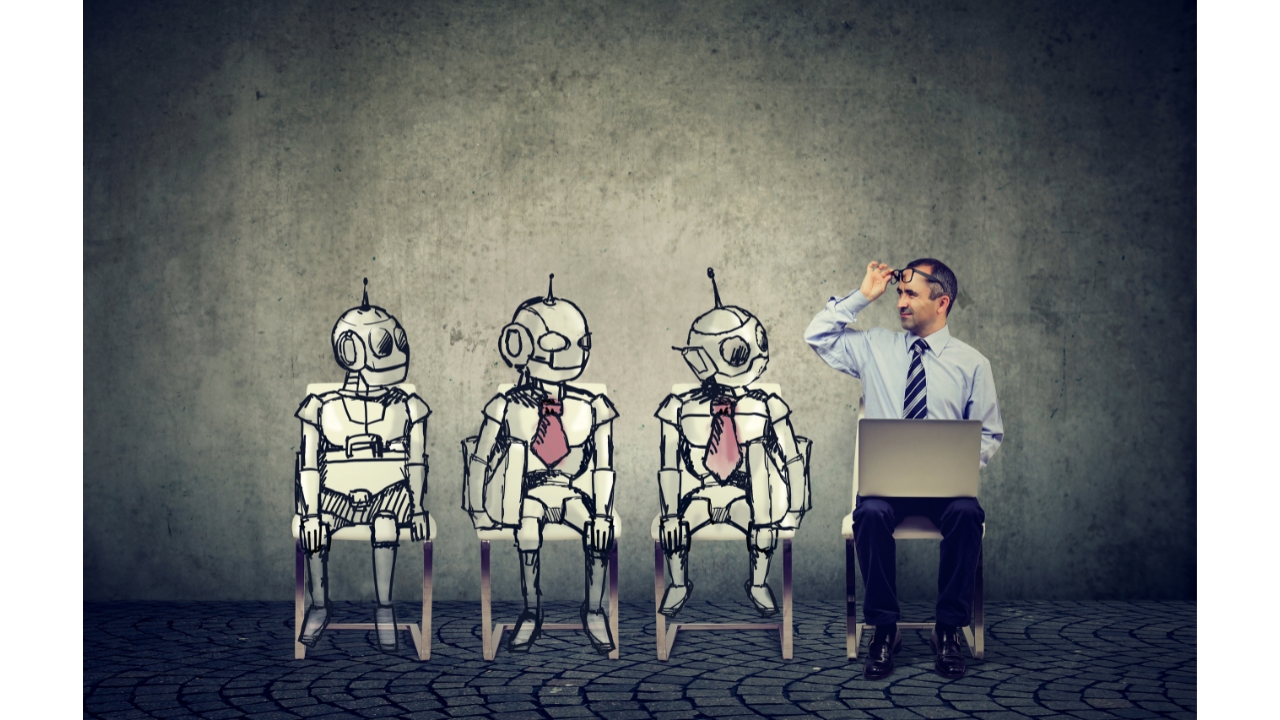
The Impact on Software Development Roles: Navigating the AI Era
As AI permeates platform engineering, businesses must anticipate its impact on job roles and be prepared for emerging opportunities.
1. Elevating the Role of Business Analysts
In this new era of development, business analysts will witness an elevation in their role, transitioning into strategic drivers of business goals. AI is poised to take on the responsibility of crafting user stories, requirements, and acceptance criteria. Business analysts, rather than merely capturing criteria, will assess AI-generated ideas, aligning them with platform thinking and becoming the face of strategic alignment with AI and technology.
2. Interaction Design Roles Surpass UI Design Roles
With the rapid evolution of visual AI, the demand for manually laying out pages and business process flows in UI design will diminish. Interaction designers will take the reins, guiding AI to design user interfaces and experiences through JavaScript design systems, graphical guidelines, and continuous user testing.
3. Empowering Software Architects with AI
As businesses shift towards consolidated platforms, software architects will wield the power of AI. Currently focused on designing governance systems, architects will evolve to empower AI in building, enforcing, and evolving these systems. Custom-built and SaaS-enabled platforms will witness the prowess of AI in guiding code standards and development processes.
4. The Rise of Test Architecture as a Pivotal Role
With autonomously built software, the need for continuous testing becomes critical. Test architects will emerge as highly-paid, in-demand professionals, responsible for designing, deploying, and maintaining complex test architectures. Their role extends to end-to-end testing of new functionalities, ongoing exploratory testing, and executing ever-evolving regression suites.
Conclusion: Embracing the AI-Infused Future of Software Development
In conclusion, the future of software development is intricately intertwined with the capabilities of AI. As we witness the integration of AI into the very fabric of development processes, businesses must adapt, anticipate, and embrace the transformative potential it brings. The synergy between human expertise and AI capabilities will define the next chapter in the evolution of software development.